On Presidents Day, the sidewalk outside Trump Tower looked less like a holiday postcard and more like a pressure valve releasing steam.
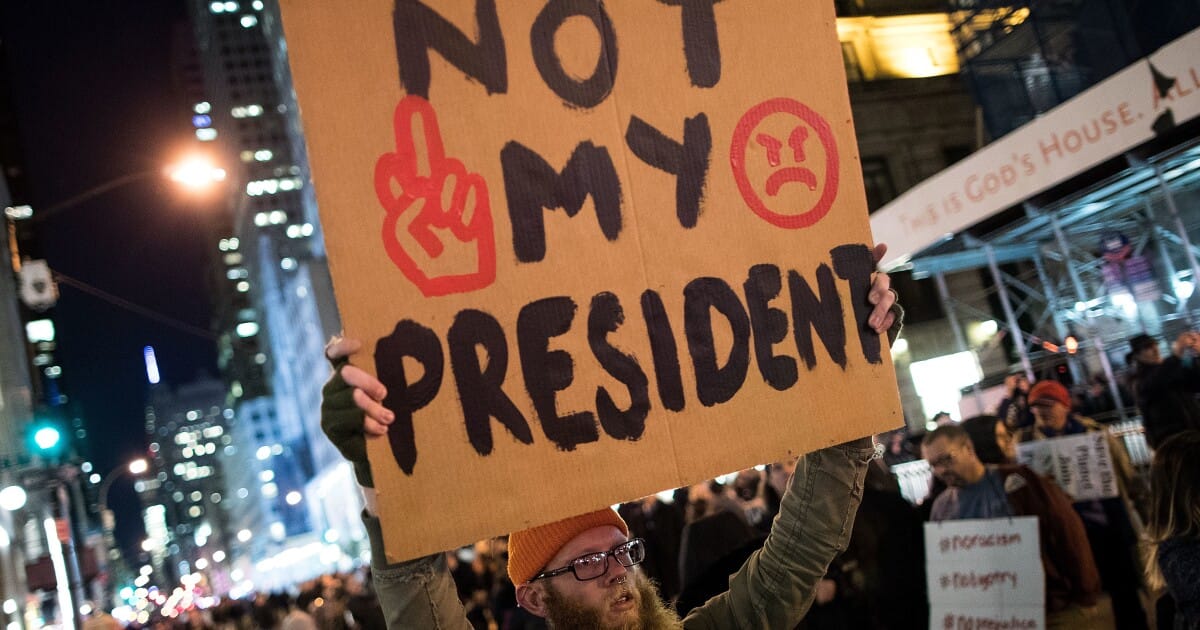
By mid-afternoon, demonstrators had packed stretches of Fifth Avenue, chanting, waving signs, and in a gesture that needs no translation — raising their middle fingers toward the glass façade that has long doubled as a monument to President Donald Trump. The visual spread quickly online, but the protest itself was not spontaneous spectacle. It was organized.
The protests were part of a broader sequence of anti-Trump demonstrations linked to the grassroots 50501 movement, which stands for “50 protests, 50 states, 1 movement” and has organized rallies opposing what participants describe as “executive overreach and threats to minority rights.” This network has continuously mobilized since early 2025, including nationwide protests on February 5 and again on Presidents Day, February 17.
The New York protest fit squarely into that pattern. Signs reading “Not My President” and “Protect Our Rights!” bobbed above the crowds. Organizers told local reporters the demonstration was aimed at defending “democratic norms” and “minority rights,” language that places the event within a civil-rights framework rather than mere partisan theatrics. As one protester put it in remarks captured by regional outlets, “We want to take back our country.”
This confrontation in New York did not occur in isolation. Across the United States earlier in the year, so-called “Hands Off!” protests brought thousands into the streets in April to oppose not just Trump’s policy agenda but also actions by high-profile figures such as Elon Musk, whose influence over federal operations critics say is undue. Civil rights organizations, labor unions, and advocacy groups — reportedly more than 150 nationwide — coordinated rallies in every state on April 5, drawing tens of thousands at state capitals and major cities alike.
Back in October 2025, similar energy fueled what organizers labeled the “No Kings” protests. In cities from San Jose to Medford, crowds of hundreds to thousands assembled on the same Presidents Day to voice opposition to the Trump administration’s executive actions and immigration policies. Observers noted that these events often blended energetic street theater with pointed complaints about civil liberties and immigration enforcement.
In a related but separate incident at a Ford factory in Michigan earlier this year, President Trump was captured on video appearing to raise his middle finger toward a heckler who shouted at him as he toured the facility — a moment that sparked its own cycle of social media debate and editorial commentary about presidential decorum.
— JoMath 🇺🇸🇺🇸🇺🇸 (@Jamram171) January 13, 2026
White House Communications Director Steven Cheung, later defended the response as “appropriate,” illustrating how gestures that emerge in public moments are quickly reframed depending on political perspective.
Trump administration officials have, at times, dismissed demonstrators as ineffective or unrepresentative of broader public sentiment, a stance frequently reiterated by aides and allies in conservative media. Meanwhile, some supporters argue that such protests undermine respect for the presidency and distract from substantive policy discourse.
So much for a quiet Presidents Day. Outside Trump Tower, civics came in high volume — no polished speeches or framed portraits here, just street-level drama: chants, signs, and a middle finger or two that refused to be ignored.
Featured image by Drew Angerer/ Getty Images