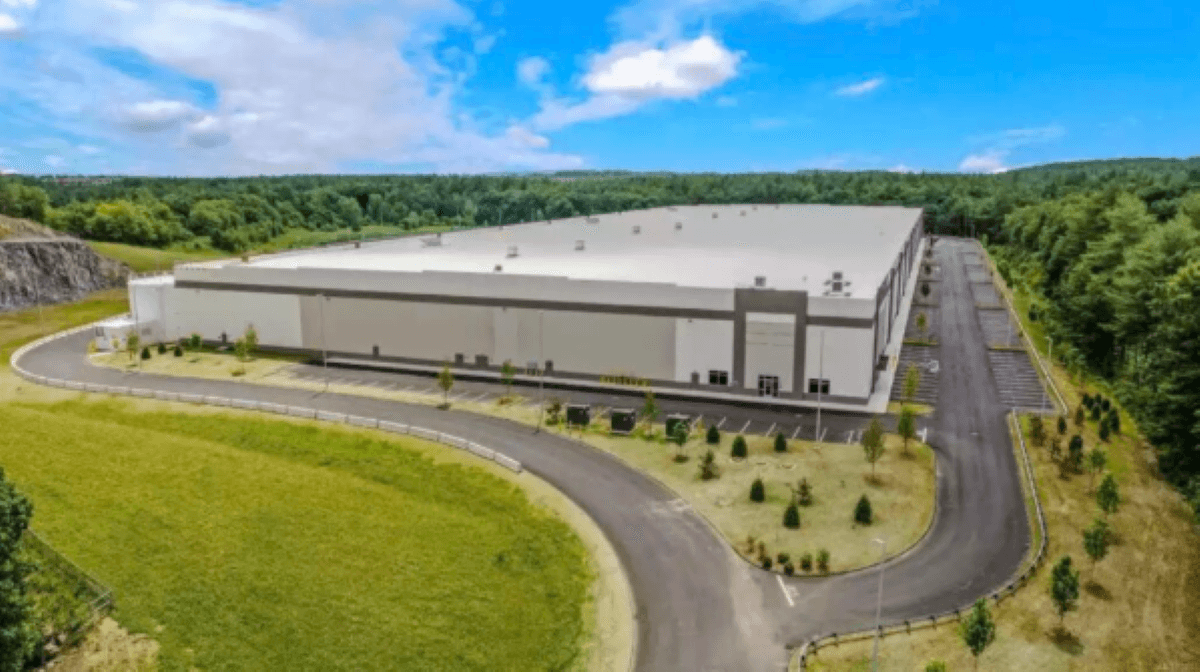
In a sweeping and controversial move, U.S. Immigration and Customs Enforcement (ICE) and the Department of Homeland Security (DHS) are planning one of the most expansive overhauls of the nation’s immigration detention infrastructure in decades — converting dozens of empty industrial warehouses into large‑scale detention centers across the United States.
Federal documents show that ICE intends to spend approximately $38.3 billion on what officials are calling a “Detention Reengineering Initiative,” funded through the One Big Beautiful Bill Act passed by Congress. The initiative would purchase and retrofit 16 warehouses into processing facilities capable of holding 1,000–1,500 people each and eight mega‑detention centers housing 7,000–10,000 detainees.
Immigration enforcement under the current administration has reached record levels, with ICE’s detained population recently surpassing 73,000 people, a dramatic rise compared to the previous year. Officials argue this strategy is a logistical response to surging arrests and a growing workforce.
The New Hampshire governor’s office released an economic impact analysis estimating that retrofitting a single site in Merrimack would cost $158 million and support more than 1,200 jobs during renovation.
Civil rights advocates and immigration lawyers have raised alarms about conditions in existing facilities, citing overcrowding, limited legal access, and inadequate medical care. A recent federal ruling ordered ICE to provide detainees in Minnesota with confidential attorney access after finding that prior practices had effectively blocked legal counsel.
“The Constitution does not permit the government to arrest thousands of individuals and then disregard their constitutional rights because it would be too challenging to honor those rights,” the judge wrote.
For detainees and their advocates, warehouse centers represent more than infrastructure — they are a system increasingly detached from due process. Immigrant rights attorney Maria L. Tate told The Guardian, “Expanding detention capacity without meaningful oversight is a recipe for systemic abuse.”
Community organizers in multiple states have protested proposed facilities near residential areas, arguing that warehouses — designed for goods, not people — are deeply unsuitable for human habitation. Several proposed sites in Minnesota, Virginia, and Oklahoma have already faced local resistance or been dropped.
In Washington, D.C., Senator Javier Moreno called the plan “a stark choice about who we are as a nation.” “We cannot outsource our humanitarian obligations to warehouse space,” he said, emphasizing a need for immigration policy that balances security with due process and dignity.
The coming months will test the durability of this plan, with political polarization sharply dividing lawmakers over immigration policy and some members of Congress tying reforms to broader budget negotiations.
Featured image from Department of Homeland Security







[…] Those five misspellings may look small, but they matter. Courts will usually let lawyers fix small mistakes, yet repeating the error makes the Department of Justice look careless and hands critics a talking point when the fight is about rules in New Jersey or the actions of ICE. […]
[…] officials, the proposed site was part of a broader federal expansion tied to the administration’s mass deportation effort. Merrimack residents reacted with anger after learning their town had been selected. Local meetings […]