A classified whistleblower complaint has ignited fresh political fire in Washington this week by thrusting President Donald Trump’s son-in-law, Jared Kushner, into the center of a national security debate — one that critics say exposes troubling gaps in how intelligence is handled under the Trump administration.
According to a report on MSN, the whistleblower complaint centers on an intercepted phone conversation between foreign nationals that referenced Kushner in a sensitive context.
That intelligence — collected last spring by the National Security Agency (NSA) — was allegedly kept within top intelligence offices for eight months before a heavily redacted version was delivered to Congress, angering lawmakers from both parties and provoking accusations of administrative stonewalling.
The Office of the Director of National Intelligence (ODNI), led by former Democratic presidential candidate Tulsi Gabbard, has defended its actions. In a social media statement published earlier this month, Gabbard insisted that her office “acted fully within legal and statutory authority,” dismissing claims that it withheld critical information for political reasons.
Officials familiar with the matter told U.S. media outlets that the foreign conversation involved “significant” remarks about Kushner’s role in diplomatic negotiations, particularly around Iran, though they stopped short of confirming specific allegations.
Critics have seized upon the ambiguity.
“This was more than just bureaucratic delay — it was a political decision that prioritized protecting an ally of the administration over transparency,” wrote one political columnist following the revelations.
Social media has been quick to amplify the sentiment.
The whistleblower complaint against DNI Tulsi Gabbard concerns a conversation last Spring between two foreign nationals who were smack-talking Jared Kushner.
The problem is that everyone knows the smack-talk is true, but the proof of that is classified. https://t.co/MrRWoklDSe pic.twitter.com/2pdjrtoaTO
— Amee Vanderpool (@girlsreallyrule) February 12, 2026
Democratic lawmakers, including Senate Intelligence Committee Vice Chair Sen. Mark Warner, have expressed frustration that the complaint took so long to reach Congress, especially given statutory guidelines suggesting that whistleblower complaints should usually be transmitted to lawmakers within 21 days.
Yet senior intelligence officials, including past and current inspectors general, have cautioned that much of the content in question was unverified or considered uncorroborated “gossip.” The Wall Street Journal and The New York Times, reporting on the matter, noted that intelligence assessments did not confirm the allegations in the intercepted call, leading to a debate over whether the response was driven by risk management or political loyalty.
One former intelligence oversight official told reporters, “Part of the intelligence was not credible, and the rest was unverifiable — but that doesn’t mean it can’t have consequences if true.”
At the heart of the issue is a broader question: when intelligence touches politically sensitive figures, should the default be protecting sources and methods, or maximizing oversight and transparency? Washington is now wrestling with that balance.
For his part, Kushner has not publicly commented on the content of the intercepted communication. As a private citizen, he retains significant influence in policy circles — particularly in Middle East diplomacy and Iran negotiations — even though he holds no official government position.
In May, Kushner reportedly advised administration officials during negotiations with Arab leaders ahead of Donald Trump’s Middle East trip. Reporting from Reuters noted that he was consulted on strategy despite holding no formal government role, highlighting his ongoing behind-the-scenes influence.
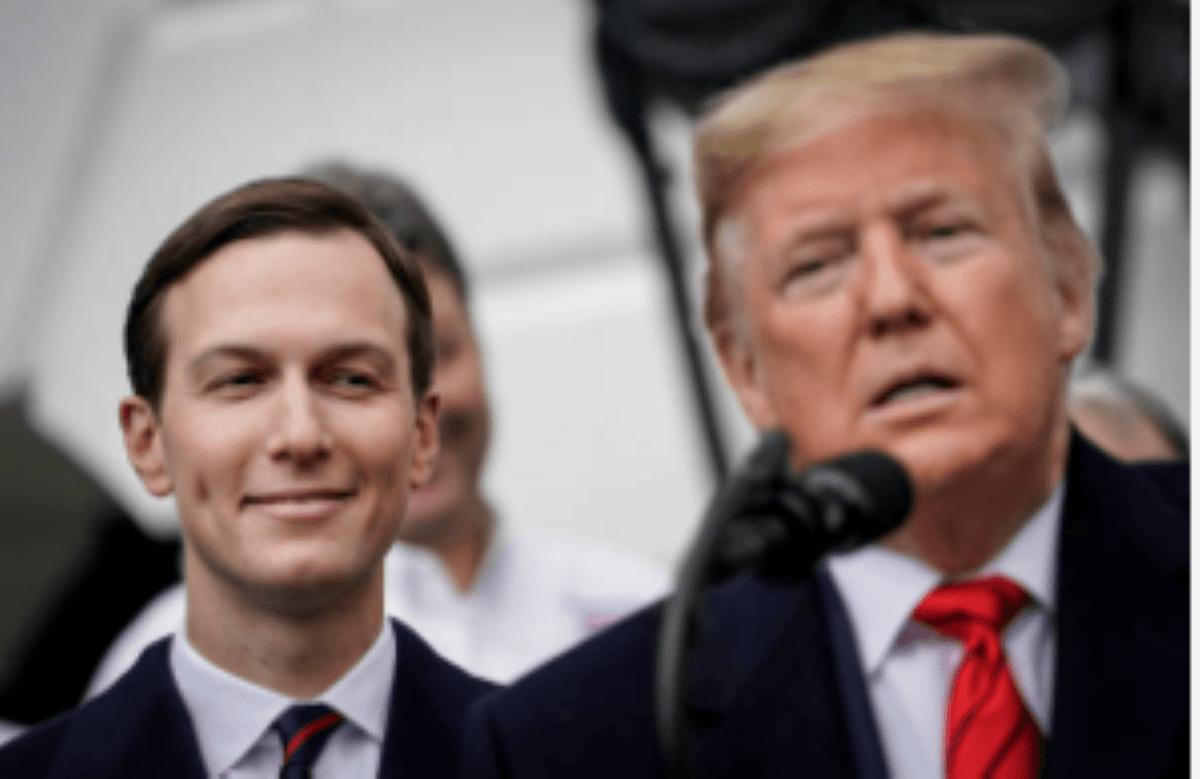
Featured image by Drew Angerer/Getty Images