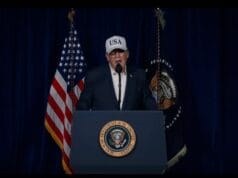
On February 27, 2026, a video surfaced showing President Donald Trump insisting he “knows nothing about the Epstein files” and claiming he has been “fully exonerated” in connection with the long-running Jeffrey Epstein investigation.
In the video, Trump says plainly, “I don’t know anything about the Epstein files. I’ve been fully exonerated.” When asked about the missing pages and the accusations against the president, a White House spokeswoman told NPR that Trump “has done more for Epstein’s victims than anyone before him.” Abigail Jackson added, “Just as President Trump has said, he’s been totally exonerated on anything relating to Epstein.” Journalists and legal observers have noted, however, that no official exoneration exists, and recent DOJ document disclosures, including FBI interview summaries, contradict the claim.
Trump: “I don’t know anything about the Epstein files. I’ve been fully exonerated.”
(Fact check: false) pic.twitter.com/yprWOgJRJE
— Republicans against Trump (@RpsAgainstTrump) February 27, 2026
That characterization stands in contrast to reporting by NPR and The New York Times, which have documented gaps in the Department of Justice’s release of the so‑called Epstein files under the Epstein Files Transparency Act. The law, enacted in late 2025 and signed by Trump, requires the Justice Department to release investigatory records related to convicted sex trafficker Jeffrey Epstein to the public.
According to those reports, a series of FBI interview summaries from 2019 involving a woman who claimed she was sexually abused by Epstein — and who also made allegations against Trump — are missing from the public database, despite being logged in the index of documents. The summaries, known as “302s,” were flagged by journalists because four such interviews are listed in evidence logs, while only one appears in the publicly available records.
Republicans and Democrats alike have pushed back on questions about the completeness of the file release. Robert Garcia, ranking member of the House Oversight Committee, said he reviewed unredacted evidence logs and “can confirm that the DOJ appears to have illegally withheld FBI interviews with this survivor who accused President Trump of heinous crimes.” Critics in Congress and legal observers have urged clarification on why the documents listed in official logs were not published.
The Justice Department has responded to those reports by saying it is reviewing whether any documents were improperly withheld and that any flagged material will be published if it is responsive to the law.
A DOJ statement on X read, “As with all documents that have been flagged by the public, the Department is currently reviewing files within that category of the production. Should any document be found to have been improperly tagged … the Department will of course publish it.”
As the Department of Justice has consistently said and has done since the January 30, 2026 publication of the Epstein files, if any member of the public, including victims, reported concerns with information in the pages, the Department would review, make any corrections, and…
— DOJ Rapid Response (@DOJRR47) February 25, 2026
Attorney General Pam Bondi and Deputy Attorney General Todd Blanche previously sent a letter to Congress asserting that no documents were withheld on the basis of “embarrassment, reputational harm, or political sensitivity,” including for any public official. The Justice Department has also pointed out that some records were withheld legally because they contained victim identifiers, privileged information or were part of ongoing federal investigations.
The publicly available Epstein files do mention Trump in portions of the documents that have already been released, including references and imagery from earlier batches associated with the case, but those inclusions do not by themselves indicate criminal charges.
— Heisenberg (@WWHeisenberg66) February 27, 2026
The existence of mentions in the disclosed records and the absence of certain interview summaries have become a focal point for lawmakers calling for a fuller accounting of what remains unpublished.
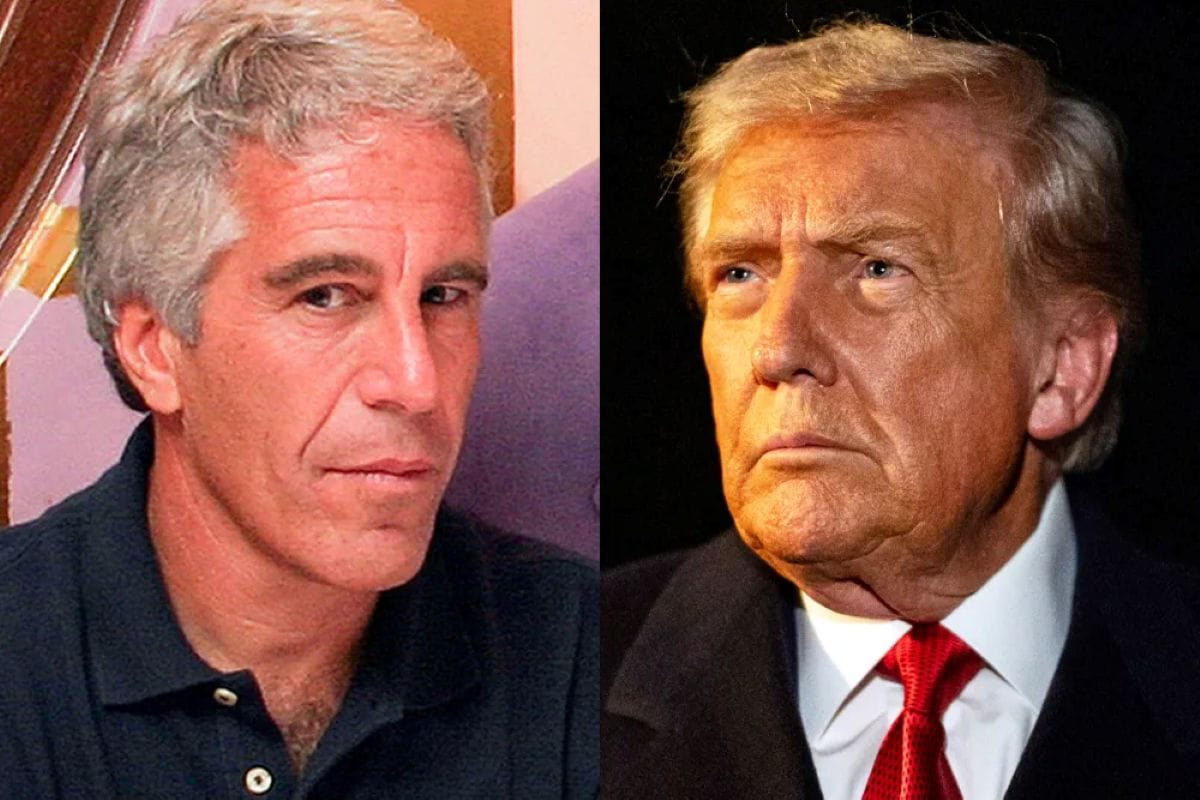
Featured image via Getty Images