A series of political, diplomatic and military developments across the Middle East and beyond unfolded this week as the United States and Iran prepared for a new round of negotiations, reflecting deepening tensions and shifting priorities among regional powers and global diplomats.
On Tuesday, the White House reiterated that President Donald Trump’s first option with Tehran is diplomacy, even as Washington moves significant military assets closer to the region.
“President Trump’s first option is always diplomacy. But as he has shown … he is willing to use the lethal force of the United States military if necessary,” White House spokeswoman Karoline Leavitt told reporters in Washington. She added that Trump remains “the final decision maker” on potential action, comments delivered as Secretary of State Marco Rubio prepared to brief congressional leaders on the situation.
That posture comes even as regional actors prepare for both confrontation and negotiation. Iranian Deputy Foreign Minister Majid Takht-Ravanchi told state media that Tehran is “ready to reach an agreement as soon as possible” with the United States, and that it will take “whatever it takes” to pursue a deal in Geneva — while also asserting that Iran will respond if attacked.
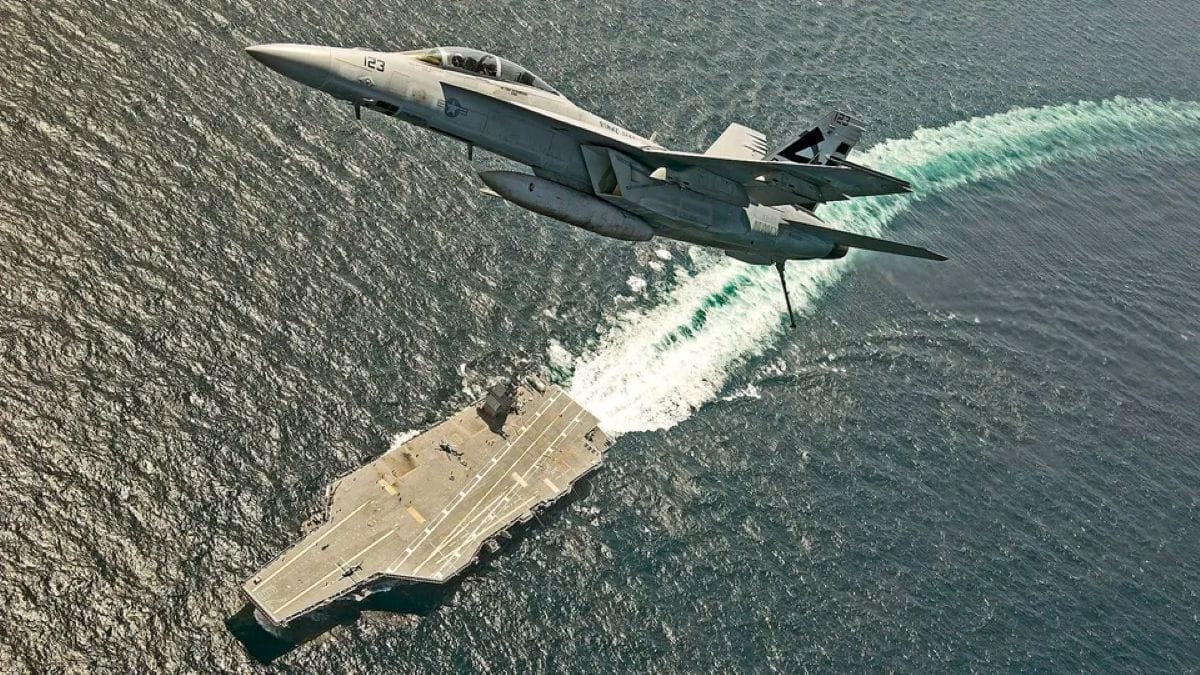
That diplomatic posture exists alongside one of the largest U.S. naval and aerial deployments near Iran in years, with F-22 stealth fighters and carrier groups positioned within striking range as nuclear talks loom. Tehran and Washington have both signaled that negotiations, scheduled for Thursday in Geneva, will focus on Iran’s nuclear program, but officials on both sides have underscored their own priorities. Iranian Deputy Foreign Minister Majid Takht‑Ravanchi told state media that Iran is “ready to take any necessary steps” to reach a deal, a comment that came with warnings that Tehran will respond if it is struck.
At the same time, Iran’s Revolutionary Guards held military drills on the country’s southern coast, according to state television — part of a broader pattern of force posturing in the context of ongoing nuclear negotiations and the U.S. military buildup.
The heightened diplomatic and military activity has had ripple effects regionally. The U.S. State Department has ordered the withdrawal of non‑essential personnel and eligible family members from its embassy in Beirut, citing assessments of the security environment amid rising concerns about potential conflict tied to U.S.–Iran tensions. A senior U.S. official, speaking on condition of anonymity, told Reuters the drawdown was “prudent” and that the embassy remains operational with essential staff.
Israeli officials also signaled the possibility of escalation beyond its immediate borders. Two senior Lebanese sources reported that Israel has sent indirect messages to Lebanon indicating it would target civilian infrastructure, including the Beirut airport, if the Lebanese militia Hezbollah becomes involved in any conflict between the U.S. and Iran.
Lebanese Prime Minister Nawaf Salam and other officials have urged Hezbollah not to escalate, framed against the backdrop of past clashes and significant damage inflicted during the 2024 war between Israel and the militia.
According to a report in the Financial Times, an Israeli intelligence official said that despite the imminent deployment of the USS Gerald R Ford aircraft carrier to the eastern Mediterranean, the US military would be able to carry out only four to five days of intensive aerial strikes, or approximately one week of lower-intensity operations..
Market indicators also reflected unease tied to these developments. Oil prices climbed to seven‑month highs as traders priced in risk around the looming negotiations and the possibility of military conflict, with Brent crude briefly exceeding $72 a barrel amid expectations that any disruption in the region could affect global supply. Analysts noted the increase reflected anticipation of outcomes rather than actual production interruptions.
Featured image via U.S Navy files