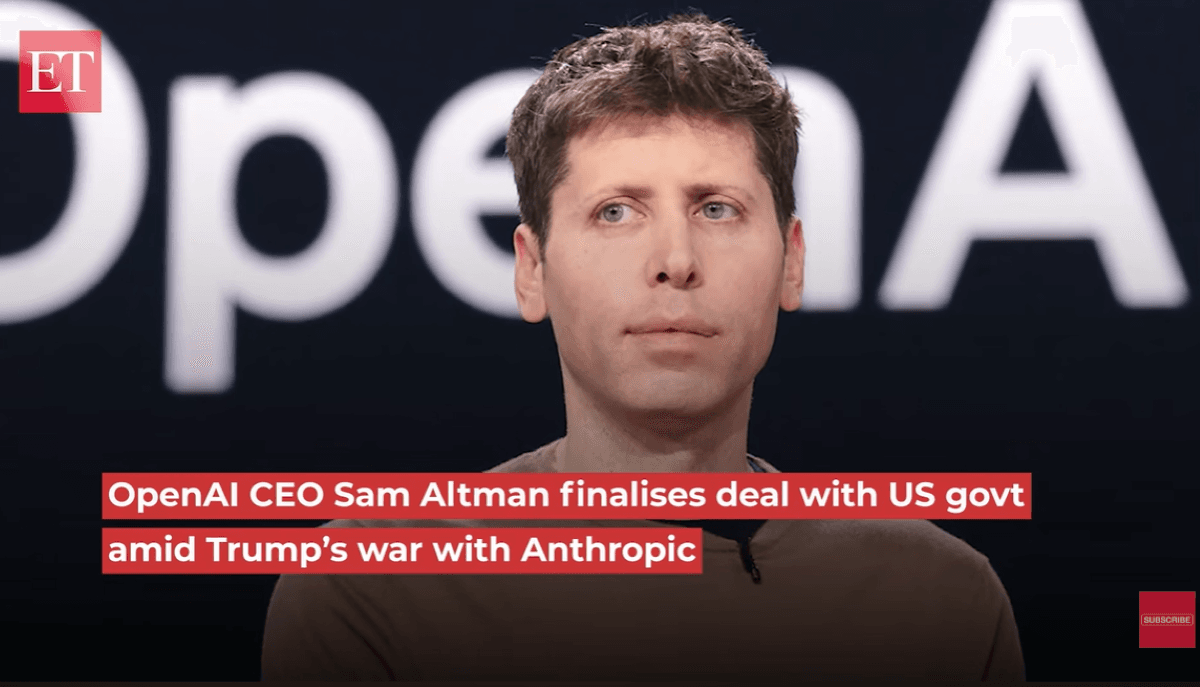
The same data shows OpenAI’s U.S. downloads fell by 13% on Saturday. The drop continued into Sunday when downloads were down another 5% from the previous day. That is a quick swing for a product used by millions.
Rival firm Anthropic saw the opposite effect. Its app Claude rose in downloads and climbed the App Store charts after Anthropic said it would not sign a deal that could allow its technology to be used for mass domestic surveillance or fully autonomous weapons. Sensor Tower recorded Claude downloads up 37% on Friday, February 27 and 51% on Saturday, February 28.
Appfigures gave a larger estimate. It said Claude’s U.S. downloads were up 88% on Saturday and that Claude even beat ChatGPT in total daily U.S. downloads for the first time that day. Claude also reached the number one spot on the U.S. free App Store by Saturday night. That is not a small ripple. It is a pretty loud splash.
Consumer reviews reflected the mood. One ratings tracker found that one star reviews for ChatGPT surged 775% on Saturday and then rose another 100% on Sunday. At the same time five star reviews fell by 50%. People who care about stars sure made those stars matter.
Similarweb added context, saying Claude’s U.S. downloads in the past week were around 20 times what they were in January. The firm also warned that politics is not the only reason apps change in popularity. Advertising, media stories and a funny Super Bowl spot from Anthropic may also have helped. Still, a jump like that cannot be ignored.
OpenAI responded this week. CEO Sam Altman said the company would revise parts of the agreement to clarify limits on how its technology will be used. In press reports Altman was quoted saying the initial deal looked, in his words, “opportunistic and sloppy.” That line landed in many feeds and did not calm critics.
Anthropic framed its refusal as a matter of safety and principle. OpenAI said its contract includes safeguards against domestic surveillance and limits on autonomous weapon use. Both companies are trying to show they have rules and that those rules will be followed.
For many people the change in ranking and the surge in downloads made the choice simple. If you did not like the deal then the switch was fast. If you wanted to stay you could. Market data now shows many decided to try something new. That is how markets speak. They do not whisper.
If you want to move your chats from ChatGPT to Claude, both companies have simple export and import options for saved chats and personal settings. The process is not instant but it is possible.
First, export your data from ChatGPT. Open the app or go to chat.openai.com, click Settings, then Data Controls, and choose Export Data. Pick text or JSON, request the export, then check the email linked to your account for a download link and save the file to your device.
Next, import your saved content into Claude. Open Claude, go to Settings then Capabilities and turn Memory on, start a new conversation, and paste a short summary or the parts you want the assistant to learn. If you have full chat logs, ask Claude to “Review this and summarize my key preferences” before pasting so the assistant stores a clean, useful memory.
Finally, wipe what you do not want to keep in the original account. In ChatGPT go to Settings then Personalization and delete specific memory entries or all memory. For extra certainty type the chat command “Delete all my memory and personalized data,” then go to Account or Manage account and choose Delete account to remove your profile. Make sure you have backed up anything you want to keep before you delete.
Featured image via YouTube screengrab