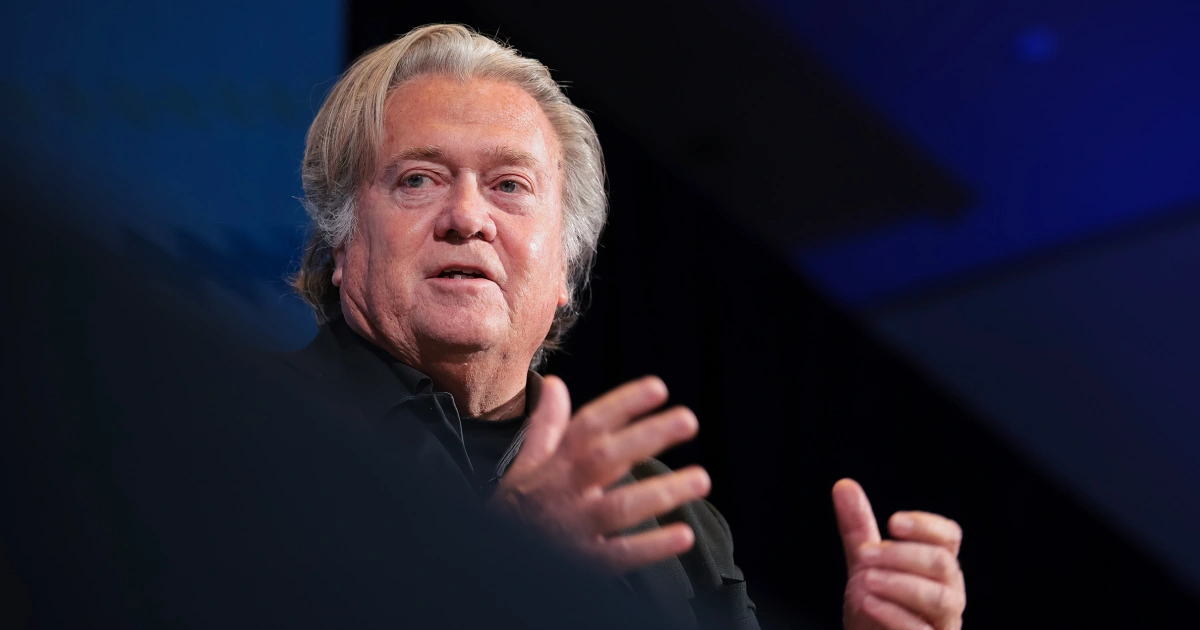
Jeffrey Epstein’s files are out. And they are wild. Among the millions of pages, one thread jumps off the screen: Steve Bannon plotting against Pope Francis. Not a rumor. Not an opinion. Actual messages.
In June 2019, Bannon texted Epstein: “Will take down (Pope) Francis.” Yep. The former White House strategist was apparently treating the leader of 1.3 billion Catholics like a political rival in a chess game.
The exchanges, part of a massive tranche of material made public under the Epstein Files Transparency Act, show Bannon and Epstein discussing how to undermine the former pontiff’s global influence after Bannon left the Trump White House.
Epstein didn’t hold back either. In April 2019, he emailed Bannon a copy of In the Closet of the Vatican, a 2019 book by French journalist Frédéric Martel, with the headline: “Pope Francis or Steve Bannon? Catholics must choose.” Bannon’s reply? “easy choice.” Casual. Creepy. A little absurd.
Martel caused a stir with his book by asserting that 80% of Vatican clergy are gay, delving into the ways they conceal their sexuality.
Vatican-watchers are still picking their jaws off the floor. “He was a counterweight to nationalist populism,” said one Vatican official to CNN, referring to Francis. The emails make it clear: ideology, ambition, and digital-era cunning have collided in ways no one expected.
Bannon isn’t new to drama. And then there’s Epstein — a convicted sex offender, social networker of elites, and now a co-conspirator in political scheming. Some emails drip with bravado. In one, Epstein quotes Milton’s Paradise Lost: “Better to reign in Hell, than serve in Heaven.” A grim emblem of ambition, audacity, and, some might say, hubris.
This isn’t just locker-room chatter. It’s political theater with global stakes. Conservative Catholic factions and right-wing operators have been unhappy with Francis for years — migration policies, climate positions, income inequality. But these emails reveal how far some were willing to go, dragging the Pope into the kind of political intrigue usually reserved for presidents and prime ministers.
While Bannon has yet to directly comment on the emails themselves, archived media shows him taking a consistently critical stance toward Francis in other contexts, characterizing the pontiff as opposed to “sovereigntist” nationalist ideals — language similar to that found in his communications with Epstein.
The DOJ release may be just the beginning. Analysts say we haven’t seen the full ripple effect yet. But for now, the takeaway is simple: when politics meets hubris meets a convicted financier with elite connections, the stakes include everyone — even the Pope.
Featured image Kayla Bartkowski / Getty Images