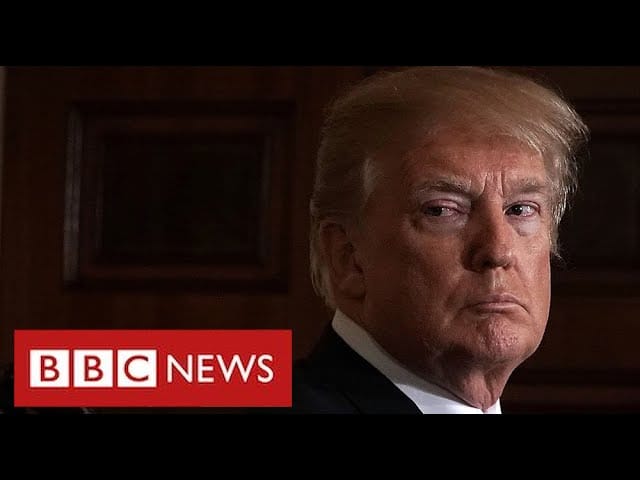
The BBC has apologized to Donald Trump over an edited clip of his January 6, 2021, speech—but it also made clear it won’t be backing down from a defamation claim.
The row began earlier this week when Trump’s lawyers sent the broadcaster a letter demanding a retraction. They accused the BBC of publishing “false, defamatory, disparaging, and inflammatory statements” in its 2024 documentary Trump: A Second Chance? The letter warned of a $1 billion lawsuit if the network didn’t comply.
The controversy is over a spliced clip of Trump speaking at the Capitol. In the edit, Trump appears to say: “We’re going to walk down to the Capitol and I’ll be there with you, and we fight. We fight like hell.” The problem is, those lines were delivered almost an hour apart, and the edit left out a part where Trump told supporters to “peacefully and patriotically make your voices heard.”
On Thursday, the BBC said Chair Samir Shah had sent a personal apology to the White House. A spokesperson added:
“While the BBC sincerely regrets the manner in which the video clip was edited, we strongly disagree there is a basis for a defamation claim.”
The network also issued a correction. It said the edit “unintentionally created the impression that President Trump had made a direct call for violent action” and admitted it was “an error of judgement.” The documentary will not be rebroadcast in its current form on any BBC platform.
This apology comes at a turbulent time for the broadcaster. On November 9, both Director-General Tim Davie and News CEO Deborah Turness resigned. Their departures followed criticism over the Trump documentary and the BBC’s coverage of the war in Gaza. The resignations highlight deep internal problems at the network, which is facing scrutiny from viewers, politicians, and media watchdogs.
Former BBC legal affairs correspondent Clive Coleman said the controversy shows a basic rule of journalism: “You do not join two bits of footage together from different times in a way that will make the audience think that it is one piece of footage.”
The timing of the edit made matters worse. The documentary aired in the lead-up to the 2024 U.S. presidential election. Critics said the misleading clip could influence public opinion. For viewers, it’s a reminder that even small editing choices can have big consequences.
Trump’s response was swift. His legal team accused the BBC of defamation and threatened a billion-dollar lawsuit. The BBC responded by apologizing for the editing choice but rejecting any legal claim. Trump has not yet filed a lawsuit.
The controversy comes amid wider questions about trust and accountability at the BBC. An internal review had also found that the Gaza documentary “Gaza: How To Survive A War Zone” breached accuracy guidelines because of undisclosed connections of the narrator. Combined with the Trump edit, the findings sparked calls for reform.
Featured image via Youtube screengrab