At the 2026 Winter Olympics in Milan, one of the biggest dramas playing out wasn’t on the snow or ice, it was in the press room. U.S. Vice President JD Vance stepped up with a blunt message for American athletes, telling them they are not at the Games to dive into domestic politics.
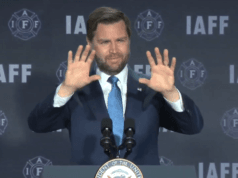
“You’re there to play a sport, and you’re not there to pop off about politics,” Vance told reporters.
In recent days, several Team USA athletes openly questioned aspects of American policy while competing in Italy. Freestyle skier Hunter Hess, for example, said representing the U.S. brought “mixed emotions” because of issues back home.
Vance didn’t mince words. “So when Olympic athletes enter the political arena, they should expect some pushback,” he said, defending criticism directed at athletes like Hess and framing the Games as a time for unity.
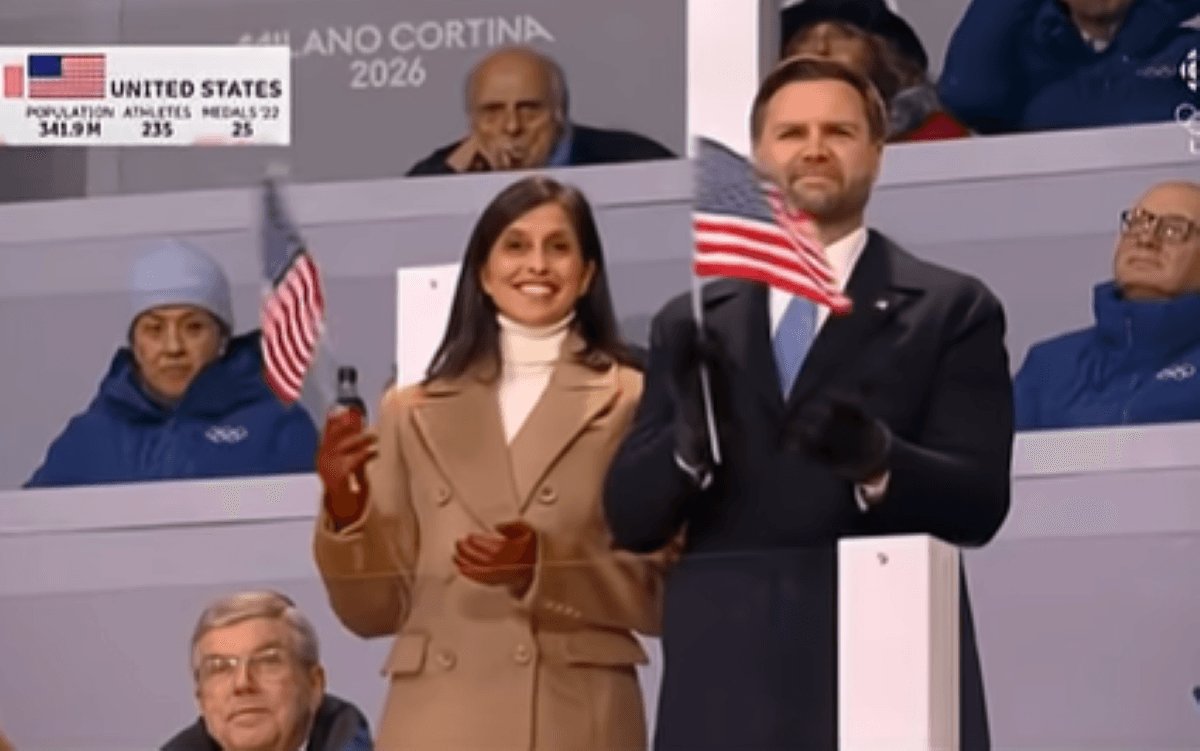
It was a message that landed with surprising force, and not just among athletes. When Vance appeared on the giant video screens during the Winter Olympics opening ceremony at San Siro Stadium in Milan, parts of the crowd greeted him with audible boos. That reaction quickly became one of the more talked-about moments of the Games opening.
Political tensions have been simmering throughout the Olympics, partly because several U.S. athletes have taken visible positions on issues ranging from immigration enforcement to social rights. Figure skater Amber Glenn spoke about how politics affects her as an LGBTQ athlete, and rugby bronze-medalist Ilona Maher posted about wanting a more compassionate America while cheering on her teammates.
VP Vance tells reporters “when Olympic athletes enter the political arena, they should expect some pushback,” adding that most recognize “the way to bring the country together is not to show up in a foreign country and attack the President … but it’s to play your sport” pic.twitter.com/O1HSK7k2nR
— Kit Maher (@KitMaherCNN) February 11, 2026
These public expressions have not gone unnoticed. On social media, reactions have ranged widely. Supporters of athlete advocacy argue that modern Olympians have every right to speak their minds, while critics defend Vance’s call for focus on sport and national unity.
President Donald Trump also weighed in indirectly on the online debate by targeting Hess on Truth Social. Trump called the freestyle skier a “real loser” after the athlete’s comments about mixed feelings, reflecting how even international sports forums have become extensions of U.S. political divides.
But even critics of Vance acknowledge the complexity of the moment. The Olympics have long been touted as a rare stage where global competition — and the values of cooperation and peace — can transcend national politics. Some argue that asking elite athletes to completely avoid political discourse ignores the reality that sports and society are increasingly intertwined.
Conversely, others see Vance’s comments as a necessary attempt to protect the integrity of competition itself. “When you’re representing the country, you’re representing Democrats and Republicans,” Vance said, emphasizing unity over partisan division.
Featured image via YouTube screengrab