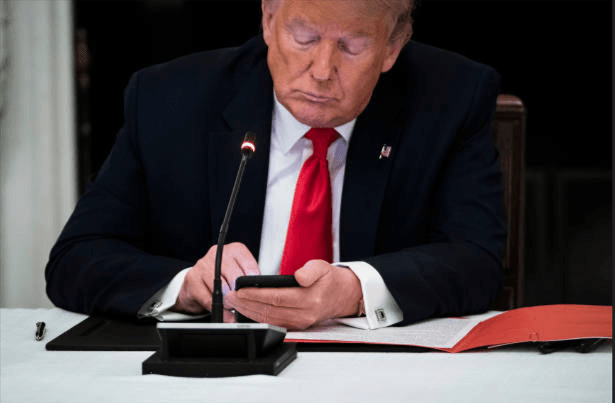
There’s trolling, and then there’s whatever happened on Truth Social this week. President Donald Trump, now 79 and staring down the barrel of another election cycle, didn’t just pick a fight with his political opponents — he decided to wage war on drivers who honk at old people.
Early one morning, before many Americans had even booted up their phones, Trump shared a video that looked like it was ripped from a late‑night Reddit meme thread more than a presidential feed: an elderly man recounting how he handled a rude honk from the car behind him at a fast‑food drive‑through.
The story had the classic twisty angle of internet folklore — pay for the other person’s meal, then quietly claim it under your own receipt — and Trump doubled down by sharing it twice on Truth Social. As Trump told his followers, “It’s incredible how people respect their elders these days… we must always honor them.”.
If you’re wondering how a drive‑thru revenge clip became presidential content, you’re not alone. The video resonated with Trump not because it was insightful or newsworthy, but because it tapped into something absurdly specific: respect for the elderly and, by extension, a broader riff on his own message about dignity and tradition.
He backed this up with AI‑generated commentary on X, blurring the lines between genuine engagement and algorithmic echo chambers. “I’m sharing this because it’s about decency, about standing up for what’s right,” Trump said in a post accompanying the video.
Don’t honk your horn at me. 🤣
I have extra money to spend and nowhere I need to be! 🫶
This is absolutely something I would do. 🤣
~however, I would give the extra food to someone who needed it. pic.twitter.com/ti4omI4qrB
— CeCe (@cecegkh) February 1, 2026
This episode isn’t out of character. Trump’s social media accounts have been a breeding ground for outlandish content for years — from bizarre memes to random rants that defy context. But the fact that a story about honking etiquette made it onto the official presidential feed is notable in itself.
Critics argue this sort of posting spree does more harm than good. Political opponents and some journalists see it as symptomatic of a leadership style that prioritizes distraction over substance. They point out that when leaders pivot to random anecdotes — even ones about courteous drive‑thru revenge — they risk trivializing serious national issues like economic policy or foreign affairs.
Of course, Trump’s supporters don’t see it that way. For them, sharing content that celebrates a clever elderly man getting even with a horn‑happy driver signals something deeper — a championing of common sense, old‑school values, and a kind of street‑level justice that never makes it into Washington’s press releases. Whether that’s genuine enthusiasm or strategic spectacle is a debate that’s only going to get louder.
Presidents once used televised speeches to shape public conversation; today it’s videos of drive‑through micro‑dramas, frenzied social media posting spree and viral AI commentary. That’s where attention lives, and that’s where influence is now contested.
Featured image courtesy of Getty Images/Jabin Botsford