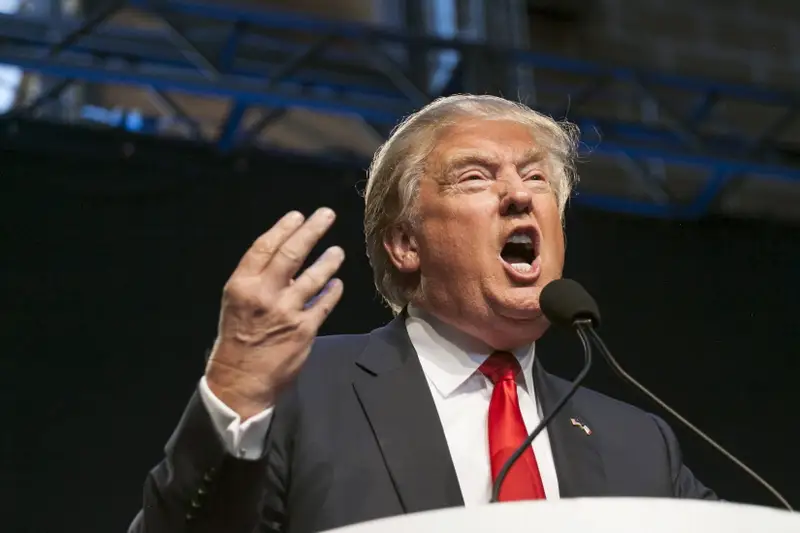
Bret Stephens, the conservative New York Times columnist, unleashed a scathing critique of Donald Trump this week, calling him “the most loathsome human being ever to occupy the White House.”
The attack came after Trump targeted the late actor and director Rob Reiner on social media, just days after Reiner and his wife Michele tragically died in their Los Angeles home, allegedly at the hands of their troubled son.
Stephens, who is usually critical of Trump but careful with his words, said this moment demanded a stronger response. He described Trump as a “petty, hollow, squalid, overstuffed man” whose behavior has repeatedly degraded the standards of public life. For Stephens, Trump’s attack on Reiner wasn’t just a personal insult—it was a public display of cruelty that reveals the broader damage of his presidency.
Markets won’t move and history won’t be rewritten by the Reiners’ deaths, Stephens wrote. But the tragedy is profound, he noted, calling the couple a “terrible national loss.” He highlighted Reiner’s contributions to film, citing classics like Stand by Me, The Princess Bride, and When Harry Met Sally…, and emphasized that Reiner and Michele represented one of Hollywood’s great real-life love stories. “Their liberal politics, though mostly not my own, were honorable and sincere,” Stephens added.
Trump, however, chose to respond with a social media post that Stephens said must be read in full to be believed. In it, the president called Reiner “a tortured and struggling, but once very talented movie director and comedy star” and blamed his “TRUMP DERANGEMENT SYNDROME” for Reiner’s alleged obsession with him. Stephens argued the post “captures the combination of preposterous grandiosity, obsessive self-regard and gratuitous spite” that has marked much of Trump’s public life.
For Stephens, the deeper problem isn’t just Trump’s ego. It’s the way his behavior erodes the very norms that hold a society together. “Good people and good nations do not stomp on the grief of others,” he wrote. “Politics is meant to end at the graveside. That’s not just some social nicety—it’s a foundational taboo that any civilized society must enforce.”
The columnist contrasted Trump with other conservatives who put politics aside during the Reiners’ deaths. Actor James Woods, for instance, publicly praised Reiner as “a great patriot” despite their differing political views. Stephens highlighted such acts as evidence that empathy and decency still exist outside the Trump orbit.
Stephens also tied Trump’s conduct to a broader picture of national instability. The post attacking Reiner came shortly after violent tragedies, including a shooting at Brown University that killed two people and an attack on Australia’s Jewish community during Hannukah that left 15 dead. In Stephens’ view, these events illustrate how damaging it is to have a leader whose focus is on personal attacks rather than governing responsibly.
Looking at the presidency as a whole, Stephens argued that Trump’s actions—grandiose, spiteful, and ego-driven—have done lasting damage to the country. “That is where history will record that the deepest damage by the Trump presidency was done,” he wrote. While policy mistakes can be corrected and alliances rebuilt, the corrosion of norms, civility, and basic respect for human grief is far harder to repair.
For Stephens, Trump’s public behavior reflects a broader moral failure: a leader more interested in humiliating opponents than upholding the dignity of the office. His contempt for others, even during moments that demand empathy, leaves a legacy defined not by achievements but by the erosion of decency.
Featured image via Youtube Screengrab